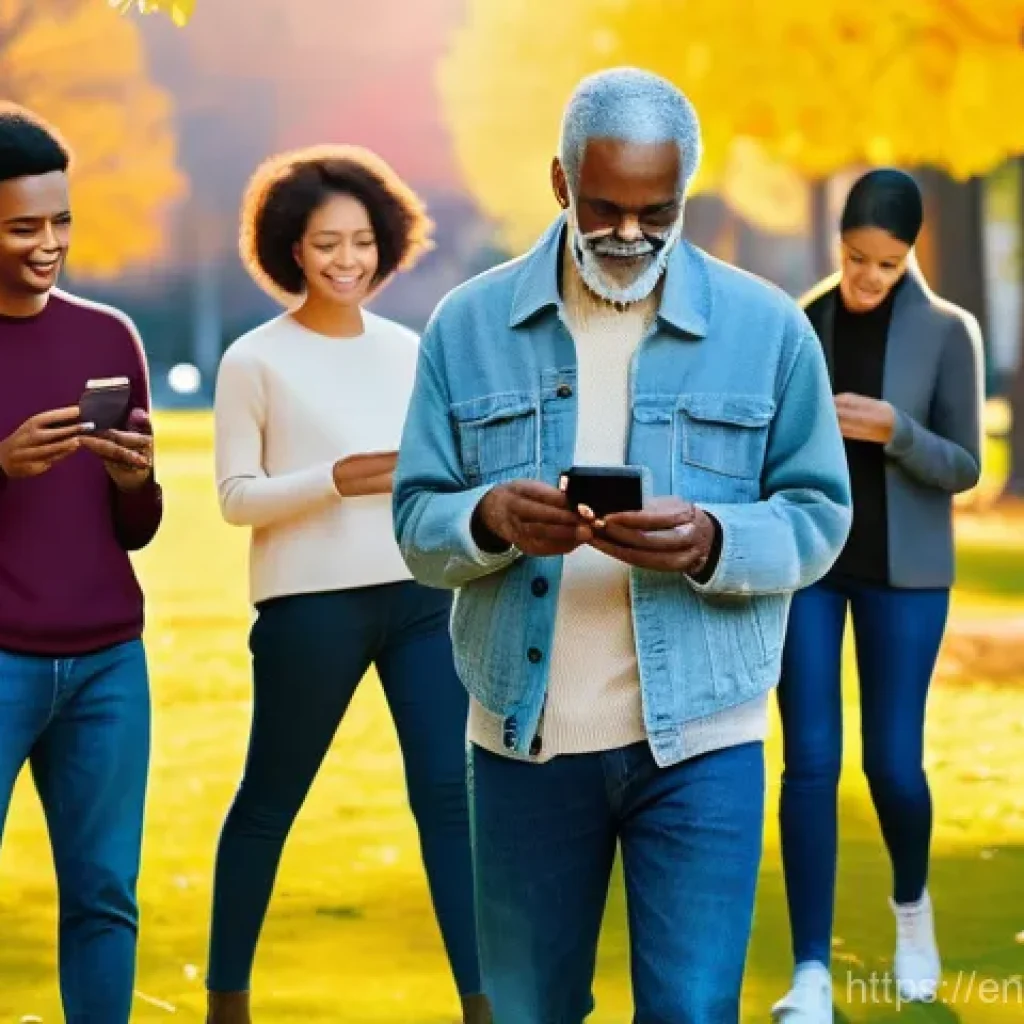
Hey there, digital explorer! Ever scroll through your feed and wonder why certain headlines grab your attention, or why a specific video seems to stick with you long after you’ve watched it?
It’s not just you; we’re all navigating a world saturated with information, and honestly, sometimes it feels like our phones know us better than we know ourselves!
From the subtle nudges of personalized ads to the dramatic ripple effects of a viral story, media has an undeniable power over our daily lives, influencing everything from our shopping habits to our political views.
I’ve personally witnessed how quickly narratives can shift online, and how seemingly small pieces of content can ignite massive conversations—and sometimes, misunderstandings.
It makes you really think about the mechanics behind it all, doesn’t it? We’re talking about more than just entertainment; we’re talking about the very fabric of how we perceive the world, especially in an age where AI-driven content and deepfakes are blurring the lines of reality.
This profound influence isn’t accidental; it’s often a result of deep-seated mechanisms that scholars have been studying for decades. Remember when we thought TV was just background noise, or newspapers were simply for facts?
Fast forward to today, and our relationship with media is a whirlwind of algorithms, viral trends, and constant notifications. It’s not just *what* we consume, but *how* it shapes our thoughts, feelings, and even our daily habits.
Ever wondered why some narratives stick, or how a single tweet can spark a global conversation? That’s where the fascinating world of media effects theory comes in, helping us understand the profound impact these digital streams have on us.
Let’s peel back the layers and truly grasp how media influences our lives, shall we?
Unpacking How Information Reshapes Our World

It’s truly fascinating, isn’t it, how the constant stream of news, social media posts, and entertainment doesn’t just pass us by, but actively shapes our very understanding of the world? I’ve noticed a profound shift in how easily narratives can take hold, sometimes almost overnight. We’re not just passive recipients; our brains are constantly working to make sense of this colossal influx of data. Think about it: every ad, every trending topic, every documentary we watch leaves a little imprint, influencing our perceptions of reality, social norms, and even what we believe is “normal.” What’s particularly striking to me is how often this happens subconsciously. You might find yourself humming a jingle from a commercial you barely registered, or suddenly feeling a certain way about a political issue after scrolling through a heavily skewed feed. This isn’t accidental; it’s a testament to the intricate ways media leverages psychological principles to communicate messages, build brands, and sway public opinion. From the subtle art of framing an argument to the sheer repetition of a slogan, these mechanisms are constantly at play, subtly but powerfully molding our perspectives and, ultimately, our collective consciousness. It really makes you wonder about the bigger picture, doesn’t it?
The Subtlety of Agenda Setting
One of the most powerful influences I’ve observed firsthand is how media doesn’t always tell us *what* to think, but it absolutely tells us *what to think about*. This concept, often called agenda-setting, means that the issues prominent in the news or on our feeds become the issues we perceive as most important. If a particular topic, say, the economy or a celebrity scandal, gets constant airtime or numerous trending hashtags, it naturally rises in our personal hierarchy of concerns. I’ve seen how this can totally shift public focus, sometimes away from equally, if not more, pressing issues. For instance, a local issue that might directly impact our community could be overshadowed by a national debate simply because the national debate is getting more media traction. It’s not about manipulation in a sinister sense, but rather a reflection of editorial choices and algorithmic amplification that guides our collective attention. My own experience has shown me that if you want to understand what’s really on people’s minds, just look at what the major outlets and social media platforms are highlighting.
Cultivating Our Shared Realities
Beyond simply telling us what’s important, media has this incredible, almost invisible, way of cultivating our understanding of the world over time. It’s like planting tiny seeds of information and imagery that slowly grow into a collective perception of reality. If you’re constantly exposed to portrayals of a certain profession as glamorous or dangerous, or a specific demographic as wealthy or struggling, those images begin to solidify into your worldview, even if they don’t always align with your direct personal experience. I remember thinking, for years, that certain neighborhoods were inherently dangerous because of how they were depicted in movies and news reports, only to find a vibrant, thriving community when I finally visited. This long-term, cumulative effect, often referred to as cultivation, is profoundly impactful because it operates so subtly. It’s not a single headline that changes your mind, but rather the consistent drip-drip-drip of certain narratives and images that, over months and years, shapes your understanding of how society works, what dangers exist, and what success looks like. It truly highlights the need for a diverse media diet, something I constantly preach!
The Echo Chamber Effect: Our Digital Silos
Have you ever noticed how, over time, your social media feed seems to show you more and more of what you already agree with? It’s not just a coincidence; it’s the algorithms at work, creating what I like to call “digital silos” or echo chambers. From my own experience, these can be incredibly comfortable because they validate our existing beliefs and make us feel like everyone else thinks just like us. But honestly, that comfort comes at a cost. When we’re only exposed to information that reinforces our current views, we lose the opportunity to engage with differing perspectives, which is crucial for critical thinking and understanding the broader world. I’ve personally felt the pull of these chambers, where it’s easy to dismiss any opposing viewpoint as simply “wrong” or “misinformed” because I haven’t been exposed to the nuances or the human stories behind those perspectives. It’s a powerful, almost insidious, way that media can limit our intellectual horizons, even while making us feel incredibly well-informed within our specific bubble. Breaking out of these silos requires a conscious effort, a willingness to seek out diverse voices and challenge our own assumptions.
Personalized Content and Confirmation Bias
The rise of personalized content, while often incredibly convenient for finding things we like, has a fascinating, and sometimes concerning, side effect: it feeds our confirmation bias. This isn’t some complex psychological term; it just means we tend to favor information that confirms what we already believe. And boy, do algorithms know this! They learn our preferences, our clicks, our watch times, and then serve us up a delicious, never-ending buffet of content tailor-made to reinforce our existing worldviews. I’ve caught myself sometimes, scrolling through an article or watching a video, and realizing it’s saying exactly what I already thought, just in a slightly different way. While it feels good to be validated, I’ve learned that too much of this can lead to a really narrow understanding of complex issues. It’s like only ever eating your favorite dessert – delicious, but not exactly a balanced diet for your mind! This constant reinforcement makes it harder to consider alternative arguments or even recognize when our own information sources might be biased. It’s a subtle process, but one that deeply shapes how we interpret new information.
The Social Contagion of Ideas
Beyond individual perceptions, media plays a huge role in how ideas spread through society, almost like a social contagion. Think about how quickly a meme can go viral, or how a specific trend on TikTok can sweep across entire demographics. It’s not just about individual exposure; it’s about the rapid, interconnected sharing that amplifies messages far beyond their original source. I’ve personally seen how a single tweet can spark a global conversation, or how a well-produced video can shift public opinion on a social issue. This phenomenon is often driven by our innate human desire to connect, to belong, and to share what we find interesting or emotionally resonant. When something “catches on,” it creates a powerful bandwagon effect, where more and more people join in, not just because they independently agree, but because they see others engaging. It’s a powerful testament to the social amplification capabilities of modern media, where ideas don’t just exist in isolation but actively spread and evolve through our shared digital spaces. Understanding this “social contagion” helps us grasp why some messages stick and others fade away.
The Art of Persuasion: Beyond Simple Messages
When we talk about media’s influence, it’s rarely as straightforward as someone telling us what to do and us simply obeying. Instead, it’s a much more nuanced art of persuasion, often operating on deeper psychological levels. Advertisers, politicians, and content creators are incredibly skilled at crafting messages that resonate not just with our logical minds, but with our emotions, our aspirations, and even our subconscious desires. I’ve been fascinated by how a seemingly simple image or a catchy jingle can evoke powerful feelings, creating a lasting impression that transcends the explicit message. It’s about building associations, creating narratives that align with our values, and tapping into universal human experiences. Think about how a charity campaign uses heartwarming stories to encourage donations, or how a luxury brand sells a lifestyle rather than just a product. It’s not just about facts; it’s about feelings, identity, and aspiration. This sophisticated approach to persuasion means that even when we think we’re being objective, we’re often being guided by expertly crafted emotional appeals and subtle psychological triggers. It truly underscores how complex our relationship with media really is.
Emotional Appeals and Resonance
One of the most potent tools in the media’s arsenal is its ability to tap into our emotions. Honestly, I’ve found that logical arguments often fall flat compared to a story that makes you laugh, cry, or feel a surge of anger or hope. Content creators know this, and they expertly weave narratives designed to provoke strong emotional responses. A news story about a local hero, a commercial showing a family reunion, or a social media post highlighting an injustice – these all leverage our emotional wiring to create deeper engagement and a more memorable impact. When a piece of content resonates with us emotionally, we’re far more likely to share it, remember it, and even act upon its implied message. I’ve personally seen how a truly heartwarming or infuriating story can change people’s minds far more effectively than a dry presentation of facts and figures. This isn’t necessarily a bad thing, as emotions can drive positive change, but it’s crucial to recognize when our feelings are being intentionally nudged to influence our thoughts or behaviors. It’s all part of the persuasive dance that media engages us in daily.
Source Credibility and Trust
In this vast ocean of information, one of the biggest challenges, and opportunities for influence, revolves around source credibility. Who do we trust? Why do we trust them? I’ve noticed a huge shift in recent years, where traditional gatekeepers of information, like major news organizations, now share the stage with individual influencers, citizen journalists, and even anonymous online accounts. The perceived authority of a source dramatically impacts how we interpret and accept the information they provide. If you see a piece of advice from someone you admire and follow religiously, you’re far more likely to take it to heart than if it comes from an unknown entity. This personal connection, this feeling of “knowing” the source, even if it’s just through a screen, builds a powerful sense of trust. I’ve found myself, and many of my friends, increasingly relying on a curated list of trusted personalities or niche content creators for specific topics, rather than broadly consulting general news. This shift makes it incredibly important for us to critically evaluate not just the message, but the messenger, and understand what makes a source truly authoritative and trustworthy in our eyes.
Beyond the Screen: Media’s Impact on Real-World Behavior
It’s easy to think of media as something we consume passively, a background hum in our lives. But from my own observations, its influence extends far beyond our screens, subtly and sometimes overtly shaping our real-world behaviors. Think about how a viral challenge on social media can lead to real-life actions, or how pervasive advertising can drive consumer trends, making us desire products we never knew we needed. I’ve seen how public health campaigns, leveraging various media platforms, can genuinely alter health behaviors, encouraging everything from vaccination to healthier eating habits. Conversely, I’ve also witnessed how misinformation spreading like wildfire can lead to panic or ill-advised decisions. The link between what we see, hear, and read and how we act is undeniable and incredibly complex. It’s not just about forming opinions; it’s about motivating action, shaping lifestyles, and even dictating our spending habits. This tangible impact on our daily lives underscores just how powerful and pervasive media truly is, making it essential to understand its mechanisms and implications.
Driving Consumer Culture and Trends
Walking through a mall or browsing online, it’s impossible to ignore how deeply media drives our consumer culture. Every advertisement, every influencer post, every movie product placement is designed to make us desire something. I’ve personally fallen prey to this countless times, seeing a new gadget or a fashionable clothing item promoted everywhere and suddenly feeling a strong urge to own it, even if I hadn’t considered it before. Media creates trends, defines what’s “in” and “out,” and shapes our aspirations, often making us believe that certain products or experiences are essential for happiness or social status. This constant bombardment of commercial messages, from traditional TV spots to subtle branding in our favorite shows, profoundly influences our purchasing decisions and our overall lifestyle choices. It’s not just about buying a specific item; it’s about buying into an image, a lifestyle, or a perceived identity that media has expertly crafted and presented to us. Understanding this mechanism is key to becoming a more conscious consumer and resisting the constant pressure to keep up with the latest trends.
Shaping Civic Engagement and Public Opinion
On a more societal level, media wields immense power in shaping civic engagement and public opinion. The way political events are framed, the issues that receive coverage, and the voices that are amplified all play a crucial role in how citizens perceive their leaders, their government, and their role in democracy. I’ve noticed how a compelling documentary can spark widespread activism, or how a series of news reports can shift public sentiment on a critical policy issue. Whether it’s encouraging people to vote, raising awareness about social injustices, or mobilizing support for a cause, media acts as a powerful catalyst for collective action. However, this influence can also be a double-edged sword, as biased reporting or the spread of disinformation can polarize communities and undermine trust in institutions. My own observations have shown that informed civic participation is deeply intertwined with access to diverse, credible information, and when that information environment becomes polluted, it has tangible consequences for the health of our communities and our democracies. It truly highlights the responsibility that media holds in our societies.
Navigating the Digital Landscape with Critical Awareness

In this incredible era of information abundance, simply consuming content isn’t enough anymore. From my perspective, developing a keen sense of critical awareness is no longer just a good idea; it’s an absolute necessity. It’s about more than just questioning headlines; it’s about understanding the underlying motivations behind the content we encounter, recognizing the subtle techniques of persuasion, and actively seeking out diverse perspectives to build a more rounded understanding. I’ve personally found that taking a moment to pause before sharing something, or cross-referencing information with multiple, varied sources, makes a world of difference. It’s a continuous learning process, honestly, because the digital landscape is always evolving. But by asking ourselves who created this content, why they created it, and what messages might be implicit, we empower ourselves to be active participants in the information flow, rather than just passive recipients. This journey towards media literacy isn’t just academic; it’s a practical skill for thriving in our interconnected world, helping us make better decisions in our daily lives and contribute more thoughtfully to our communities.
Decoding Misinformation and Disinformation
One of the biggest challenges I’ve faced, and observed among friends and family, is the sheer volume of misinformation and outright disinformation that circulates online. It’s become incredibly sophisticated, often disguised to look legitimate, making it harder than ever to distinguish fact from fiction. Misinformation is simply incorrect information, often shared without malicious intent, but disinformation is deliberately false and created to deceive or manipulate. I’ve learned to look for certain red flags: sensational headlines, emotional language designed to provoke a strong reaction, lack of credible sources, or information that seems too good (or too bad) to be true. My personal strategy involves checking the date of the content, looking at the “About Us” section of unfamiliar websites, and seeing if the same claims are being reported by multiple, reputable news organizations. It’s a constant vigilance, but absolutely vital. The ability to decode these types of deceptive content isn’t just about protecting ourselves from scams; it’s about safeguarding our understanding of reality and preventing our views from being manipulated by malicious actors.
The Role of Algorithms in Our Feeds
Let’s be honest, those algorithms that curate our social media feeds and search results feel a bit like invisible puppeteers, don’t they? From my own experience, understanding how they work is fundamental to navigating the digital world intelligently. These complex systems are designed to keep us engaged, to show us more of what we “like” or what they predict we’ll click on. While this can be convenient, it also means we’re often shown content that reinforces our existing biases or keeps us within our echo chambers. I’ve noticed that if I engage with a certain type of content, even if it’s just to briefly look at it, the algorithm takes that as a signal to show me more of it, sometimes pushing me further down a rabbit hole. It’s a powerful feedback loop. Becoming aware of this means actively seeking out diverse sources, occasionally clearing your browsing data, or even manually adjusting your feed preferences where possible. Recognizing that your feed isn’t a neutral representation of the world, but rather a personalized construct designed for engagement, is a huge step toward critical media consumption. It changes how you interpret everything you see online.
The Evolving Landscape of Digital Influence
Just when you think you’ve got a handle on how media works, something new pops up, doesn’t it? The digital landscape is always in flux, constantly evolving with new technologies, platforms, and forms of content. This means that the ways media influences us are also constantly shifting and becoming more sophisticated. From the rise of AI-generated content and deepfakes that blur the lines of reality to the increasing dominance of immersive virtual experiences, we’re navigating an ever-more complex terrain. I’ve seen firsthand how quickly trends emerge and disappear, and how new forms of storytelling can capture public attention in unprecedented ways. This rapid evolution means that our strategies for critical engagement also need to adapt. What worked for evaluating traditional news might not apply to a TikTok video, and understanding influence in a static article is different from grasping it in an interactive game. It’s an exciting but challenging time, and staying informed about these changes is key to understanding our own susceptibility to new forms of digital influence. It keeps me on my toes, for sure!
| Aspect of Media Influence | Description and Impact | Personal Observation/Experience |
|---|---|---|
| Agenda-Setting | Media’s power to determine which issues are considered important by the public, by emphasizing certain topics. | Noticed how a local issue gets ignored if national news is dominated by a different story. |
| Cultivation Theory | Long-term exposure to media (especially TV) shapes our perception of reality, often making us believe media’s portrayal is common. | Used to think certain places were dangerous due to movie portrayals, then found them vibrant in reality. |
| Framing | How media presents or “frames” an issue, influencing public interpretation and opinion without changing facts. | Two articles on the same event can make you feel completely different about it based on word choice. |
| Echo Chambers/Filter Bubbles | Algorithms personalize content, reinforcing existing beliefs and limiting exposure to diverse viewpoints. | My social media feed increasingly mirrors my own opinions, making me question external realities. |
| Social Learning Theory | People learn behaviors, attitudes, and emotional responses through observing others, especially via media. | Saw kids imitate superhero poses or dance moves from online videos, proving the direct behavioral link. |
The Rise of Immersive and Interactive Media
It’s truly incredible to think about how far media has come from just static pages or passive TV viewing. We’re now immersed in interactive experiences, from gaming worlds to virtual reality environments, and these new forms of media bring a whole new dimension to influence. I’ve personally experimented with VR and felt how deeply compelling and “real” those experiences can feel, blurring the lines between the digital and physical. When you’re actively participating in a narrative, rather than just observing it, the impact on your emotions, your understanding, and even your potential behaviors can be significantly amplified. These immersive environments aren’t just entertaining; they’re powerful platforms for persuasion and shaping perspectives, often in ways that are far more subtle and internalized than traditional media. For instance, an interactive simulation about climate change might evoke a much stronger personal commitment to environmental action than a factual article. It’s a fascinating, and sometimes a little daunting, frontier that demands our attention and critical thinking as it continues to grow and integrate into our daily lives.
AI-Generated Content and the Blurring of Reality
And then there’s the truly mind-bending development of AI-generated content. Honestly, when I first started seeing sophisticated deepfakes and AI-written articles, I was genuinely shocked at how realistic they were. This isn’t just about making things look authentic; it’s about the potential for content to be created at scale, perfectly tailored, and potentially indistinguishable from human-made content, yet completely fabricated. The implications for influencing public opinion, spreading misinformation, and even altering historical narratives are immense. I’ve personally seen how difficult it can be for people to discern AI-generated images from real ones, especially when they’re designed to be emotionally resonant. This blurring of reality presents an unprecedented challenge to our critical thinking skills. It means we can no longer simply trust our eyes or ears at face value; we need to develop even sharper tools for verification and skepticism. The ability to create convincing yet entirely false realities is, in my opinion, one of the most significant and transformative shifts in the landscape of media influence, requiring all of us to become more vigilant digital detectives.
Cultivating a Mindful Approach to Media Consumption
Given everything we’ve talked about, it’s clear that simply consuming media without thought is no longer an option. From my own journey, cultivating a truly mindful approach to what we see, hear, and read has become a cornerstone of navigating modern life. This isn’t about becoming a cynic who trusts nothing, but rather an informed and empowered individual who understands the mechanisms at play. It means actively choosing your information sources, diversifying your media diet to include different perspectives, and regularly pausing to reflect on how a particular piece of content makes you feel or what it’s trying to achieve. I’ve personally found immense value in taking regular digital breaks, allowing my mind to process information without constant input. It’s also about engaging thoughtfully, sharing content responsibly, and fostering conversations that encourage critical thinking rather than just reactive emoting. This mindful approach isn’t just about protecting ourselves from undue influence; it’s about making conscious choices that align with our values and contribute to a more informed, nuanced understanding of the complex world around us. It’s a journey, not a destination, but a vital one.
Developing Personal Media Literacy Skills
If there’s one skill I advocate for more than any other in today’s world, it’s media literacy. It’s not taught enough in schools, but it’s something we all need to actively cultivate. For me, developing personal media literacy means learning to ask fundamental questions about every piece of content: Who created this? What’s their purpose? Who benefits from this message? What information might be missing? What emotions is it trying to evoke? I’ve found that actively engaging with these questions transforms the way I consume content, turning me from a passive recipient into an active analyst. It also involves understanding different media formats and their inherent biases – recognizing that a short video clip might lack context, or that an opinion piece is inherently subjective. It’s an ongoing process of learning, adapting, and refining our mental toolkit to dissect and understand the messages we encounter daily. The more skilled we become at this, the more resilient we are to manipulation and the better equipped we are to form our own informed opinions, which, let’s be honest, is a superpower in itself in this digital age.
Promoting Healthy Digital Habits and Well-being
Beyond the intellectual side of media consumption, I’ve found that our digital habits deeply impact our overall well-being. It’s not just about what we consume, but *how* we consume it. Endless scrolling, constant notifications, and the pressure to be “always on” can take a real toll on our mental health, our sleep, and even our relationships. From my own experience, establishing healthy digital boundaries is just as crucial as understanding media influence. This might mean setting specific times for checking social media, turning off notifications for non-essential apps, or intentionally leaving your phone in another room during meals or before bed. It’s about taking control of your technology, rather than letting it control you. I’ve personally implemented “digital detox” days, and the clarity and peace of mind I gain are invaluable. Promoting these healthy habits isn’t just about individual self-care; it’s about fostering a broader culture where technology serves us, rather than demanding our constant attention and potentially diminishing our capacity for deep thought and genuine connection. It’s about finding that balance that allows us to thrive both online and offline.
Concluding Thoughts
Whew, that was quite a journey we just took, wasn’t it? As we wrap things up, I really hope this deep dive into how information shapes our world has given you some fresh perspectives. For me, constantly exploring these topics isn’t just about understanding the media landscape; it’s about empowering ourselves to live more intentionally, to be more discerning, and ultimately, to have a stronger voice in the narratives that define our times. It’s a dynamic, ever-evolving space, and staying curious and critically aware is our best defense and our greatest strength. Let’s keep learning, keep questioning, and keep fostering a more informed and empathetic world together. It’s a collective effort, and honestly, it’s one of the most important ones we can make right now. Thanks for sticking with me on this one!
Useful Information to Know
1. Always double-check sensational headlines or emotionally charged content. If something feels too shocking or too good to be true, it probably warrants a quick fact-check. Take a moment before sharing.
2. Diversify your media diet! Don’t rely on just one or two sources for your news and information. Actively seek out perspectives from different political leanings, cultural backgrounds, and journalistic styles to get a more rounded view.
3. Pay attention to the “About Us” section on websites you’re unfamiliar with. Understanding a source’s mission, funding, and editorial policies can tell you a lot about its potential biases or reliability.
4. Consider the intent behind the content. Is it trying to inform, persuade, entertain, or sell something? Recognizing the underlying purpose helps you critically evaluate the message and its potential influence.
5. Practice digital mindfulness. Set boundaries for your screen time, turn off non-essential notifications, and schedule regular “digital detoxes.” Your mental well-being is just as important as your informational intake.
Key Takeaways
Understanding how media influences us is more crucial now than ever before. We’ve seen how pervasive its reach is, from subtly setting agendas and cultivating our shared realities to creating powerful echo chambers that reinforce our existing beliefs. It’s truly fascinating, and sometimes a bit daunting, to recognize the sophisticated art of persuasion at play, leveraging emotional appeals and the perceived credibility of sources. This isn’t just about what we think; it’s about how media actively drives consumer culture, shapes civic engagement, and ultimately impacts our real-world behaviors. The rapid evolution of the digital landscape, with immersive experiences and AI-generated content blurring the lines of reality, demands a heightened sense of critical awareness. Ultimately, cultivating personal media literacy skills, promoting healthy digital habits, and maintaining a mindful approach to consumption are not just good ideas—they are essential tools for navigating our interconnected world with clarity, autonomy, and well-being. It’s about being an active participant in shaping your own understanding, rather than a passive recipient of endless information.
Frequently Asked Questions (FAQ) 📖
Q: How do social media algorithms truly impact what I see and experience online every day?
A: Oh, this is a big one, and it’s something I think about constantly! It’s easy to assume our feeds are just a random collection of posts, right? But the truth is, social media algorithms are incredibly sophisticated, acting like personalized curators just for you.
They’re constantly learning from your every click, like, share, and even how long you pause on a post. If you’ve ever felt like your phone is reading your mind and serving up exactly what you’re looking for, that’s the algorithm at work!
What I’ve personally noticed is that while this can be amazing for discovering new interests and connecting with niche communities, it also means we often find ourselves in what some call “filter bubbles” or “echo chambers.” The algorithm tends to show us more of what it thinks we’ll agree with or engage with, which can sometimes limit our exposure to different viewpoints.
I remember a time when I actively sought out opposing opinions just to make sure I wasn’t just hearing my own thoughts echoed back to me – it was a real eye-opener!
This personalization shapes our reality, influencing our buying habits when ads pop up that feel too perfect, or even our political views by emphasizing certain narratives.
It’s a powerful tool, for better or worse, that truly dictates our digital worldview.
Q: With so much content out there, what makes some videos or stories go absolutely viral, while others just fade away into the digital ether?
A: That’s the million-dollar question, isn’t it? I’ve seen countless pieces of content that I thought were brilliant just poof disappear, while something seemingly simple explodes overnight.
From my perspective, watching this unfold over the years, virality isn’t just about luck, though a sprinkle of that certainly helps! It’s often a potent cocktail of emotional resonance, novelty, and sheer shareability.
Think about it: content that evokes strong emotions—whether it’s joy, anger, surprise, or even empathy—tends to spread like wildfire because people want to share that feeling.
I’ve personally found myself forwarding a hilarious video or an incredibly touching story without a second thought. Then there’s the novelty factor; something unique, unexpected, or a fresh take on an old idea always grabs attention.
And of course, the platforms themselves are built for sharing; buttons are literally everywhere! The timing has to be just right, too, sometimes aligning with current events or cultural conversations.
Plus, if it sparks a conversation or encourages user-generated responses, you’ve hit the jackpot. I often think about that one unexpected trend that caught everyone off guard; it wasn’t a huge production, but it was so relatable and fun that everyone just had to try it.
It’s a fascinating, almost organic phenomenon that shows the collective power of our digital communities.
Q: In an age where
A: I-generated content and deepfakes are becoming more sophisticated, how can I genuinely tell what’s real and what’s not online? A3: Oh, this is a question that hits close to home for so many of us, myself included!
The lines are blurring, and it can feel incredibly unsettling when you’re trying to navigate the digital world. I’ve personally encountered articles and even images that, at first glance, seemed perfectly legitimate, only to find out they were cleverly crafted AI creations.
My biggest piece of advice, honed from years of sifting through online information, is to embrace a mindset of healthy skepticism. Always, always check your sources.
Don’t just read a headline; click through to the original article. Who published it? Do they have a reputation for accuracy, or are they known for sensationalism?
A quick Google search of the publication can tell you a lot. Next, cross-reference! If a major piece of news breaks, are other reputable news outlets reporting the same thing?
If not, it’s a huge red flag. For visuals and audio, especially with deepfakes, look for inconsistencies: strange blinking patterns, unnatural mouth movements, odd lighting, or distorted audio.
Sometimes, the easiest tell is just that something feels off. It’s crucial to remember that misinformation thrives on emotional reactions, so if something makes you immediately angry or incredibly hopeful, pause and scrutinize it before sharing.
It can be exhausting, I know, but protecting our minds from deceptive content is more important than ever. We’re all in this together, learning to be better digital detectives!